
How we work
A clear path from enquiry to energisation
Six stages, each with defined deliverables, so you always know what has been proven, what is outstanding and who is accountable for it.
- Stages
- 6 defined steps
- Control
- SAP-controlled to 132kV
- Output
- Full commissioning pack
- 01
Enquiry & scope
Understanding the scheme before quoting it.
We start with the technical facts: voltage range, single line diagram, switchgear and transformer schedules, protection relay types and the programme dates that actually matter. Where a design is still developing, we tell you what we need and when — rather than quoting on assumptions and repricing later.
You get a scope that lists activities, exclusions, expected durations and what we need from site to be productive on day one. That last part is what protects the programme.
- Technical review of the scheme
- Priced scope with clear exclusions
- Named engineer and indicative dates
- 02
Design & protection review
Aligning settings, method and standards before mobilising.
Before anyone travels we review the protection settings schedule, relay configuration files, grading study and drawings against the installed plant. Discrepancies found here cost nothing; the same discrepancies found on site cost a visit.
Method statements, risk assessments and the switching philosophy are prepared and issued for client approval, and where the scheme is adoptable we align the settings submission with the network operator's protection policy.
- Settings and grading review
- RAMS and switching philosophy
- DNO settings submission support
- 03
Inspection & Test Plan
The document everyone signs against.
We issue a project-specific ITP listing every test, its acceptance criteria, the standard it references, who witnesses it and where the hold points are. It becomes the single reference for client, contractor and network operator, which removes the arguments that usually happen at handover.
- Project-specific ITP
- Defined hold and witness points
- Calibration certificates for the test suite
- 04
Commission & test
Proving the installation, not the drawing of it.
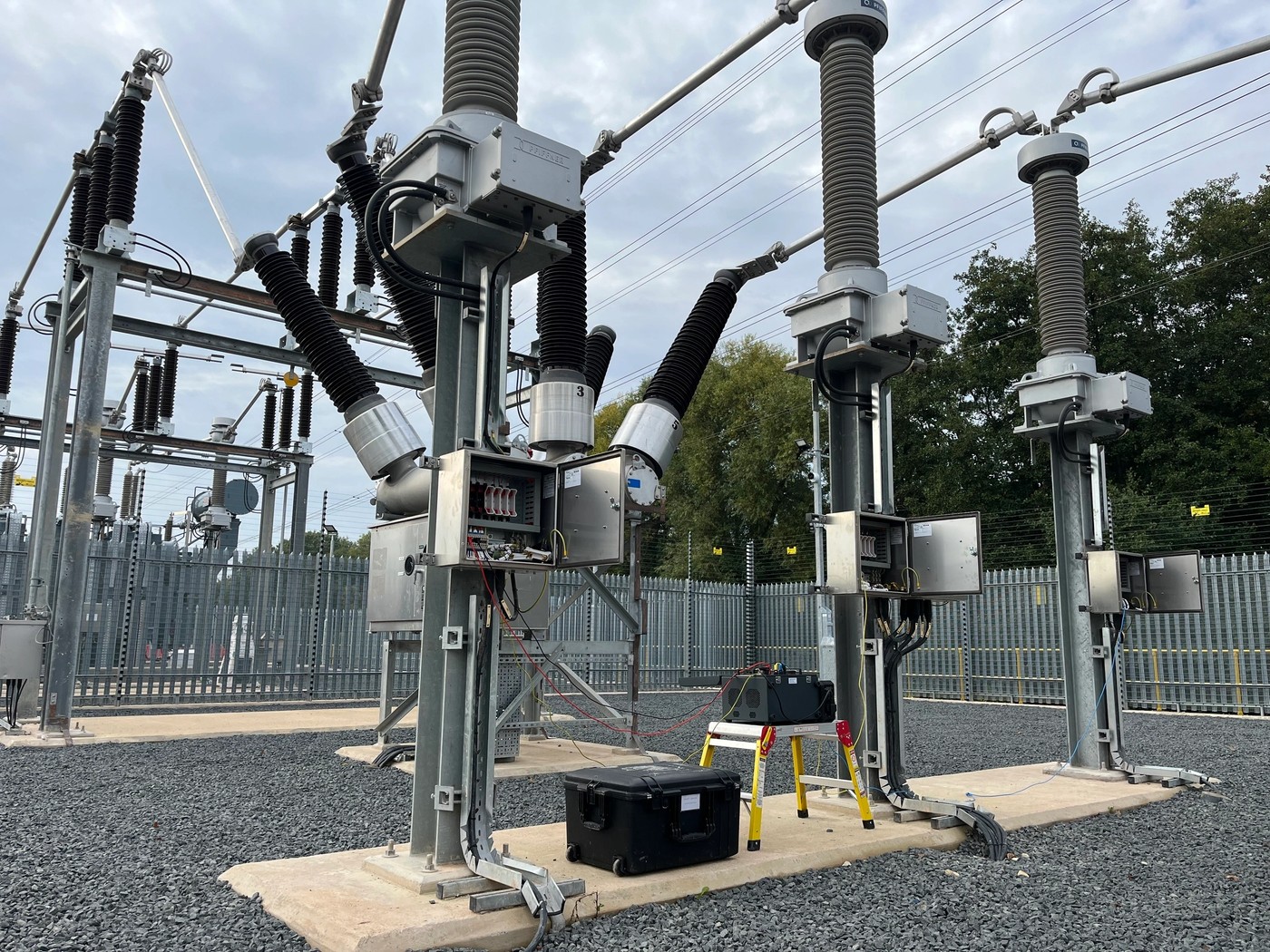
On site we work through static checks, insulation verification, secondary injection of every protection element, primary injection where CT circuits must be proven end to end, interlock and trip path verification, transformer and cable testing, DC systems and SCADA point-to-point.
Findings are raised as they arise with a clear severity and an engineering view on the fix — not saved up for a report issued after demobilisation.
- Daily progress and findings log
- Signed test records as work completes
- Punch list with severity and owner
- 05
Energise & load transfer
Controlled, documented, witnessed.
Energisation runs to a written switching programme under senior authorised person control, with points of isolation, earths, permits and exclusion zones defined in advance. Load is applied and transferred in planned steps with protection monitored throughout.
- Approved switching programme
- SAP control and safety documentation
- First energisation and load transfer records
- 06
Handover & aftercare
Evidence your insurer, DNO and operations team accept.
You receive a complete commissioning pack: as-tested settings schedules, all test records with equipment traceability, relay configuration files, switching records, punch list close-out and O&M input. We then agree re-test intervals and stay available for the questions that surface in the first months of operation.
- Full commissioning pack
- As-left settings and relay files
- Recommended maintenance intervals
Where the process saves you money
Almost every expensive commissioning problem we are called into was discoverable earlier: a settings schedule at the wrong revision, a CT circuit never primary injected, a grading margin only checked at maximum fault level, a trip link left out after a test. Front-loading the review and issuing an ITP that names hold points is what moves those discoveries from energisation day to a desk two weeks earlier.
Working with us — questions we get asked
- How far in advance should we book HV commissioning?
- For planned schemes four to six weeks gives us time to complete the settings and design review properly. We hold capacity for shorter-notice work, including outage support and fault investigation.
- Who produces the Inspection and Test Plan?
- We do. The ITP is written from the approved design and settings schedule and issued for client, contractor and DNO review before mobilisation.
- What documentation do we get at handover?
- A complete pack: ITP sign-off, all test records with calibrated equipment traceability, as-left settings schedules, relay configuration files, switching and energisation records, and punch list close-out.
- Can you take control of the HV system for us?
- Yes. Our senior authorised persons take control of the system for the duration of the work, issuing safety documentation and managing switching, isolation and access.
Need a specialist HV commissioning partner?
Tell us the voltage range, scope and programme dates. A commissioning engineer will come back to you — not a call centre.