Building an HV maintenance regime that actually reduces outages
Calendar-based HV maintenance often means inspecting the assets that do not need it and missing the ones that do. A regime built around duty, condition and consequence gives you fewer outages for the same spend. Here is how we structure one.
Chief Executive Officer, High Voltage Commissioning Ltd
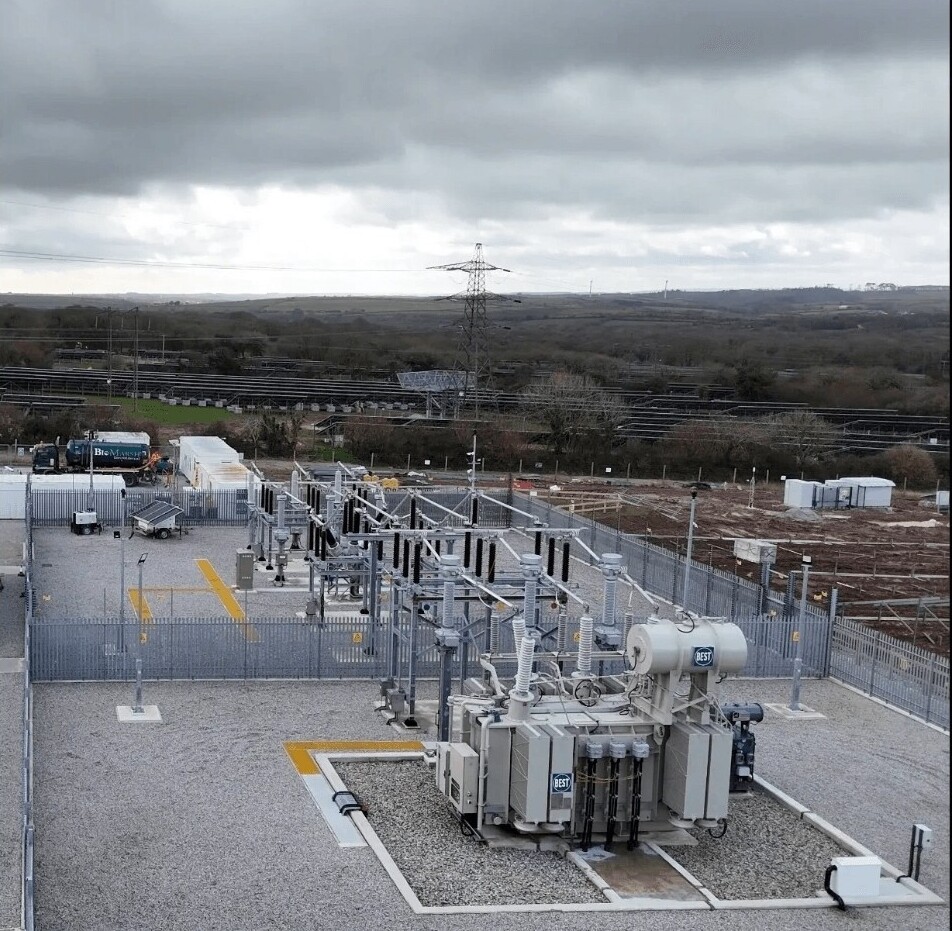
Most private HV networks I inspect have one of two maintenance regimes: a fixed three or five year sweep applied uniformly to everything, or nothing at all until something trips.
Both cost more than they need to.
Start with consequence, not calendar
Not every asset on your network matters equally. Rank them by what happens when they fail:
- Critical — single points of failure feeding production, life safety systems or a data hall
- Important — redundant supplies where a failure removes resilience but not supply
- Standard — everything else
That ranking, not the age of the switchgear, should determine how much attention each asset gets.
Then look at duty
An 11kV incomer that has operated four times in twenty years and a feeder breaker cycling daily are not the same asset. Operations count, fault interruptions, load factor and thermal cycling drive wear far more than elapsed years. Manufacturer guidance is generally expressed in both — use both.
What a substantive HV maintenance visit includes
- Thermographic survey under load, before any outage is taken
- Partial discharge screening on cables, terminations and switchgear where accessible
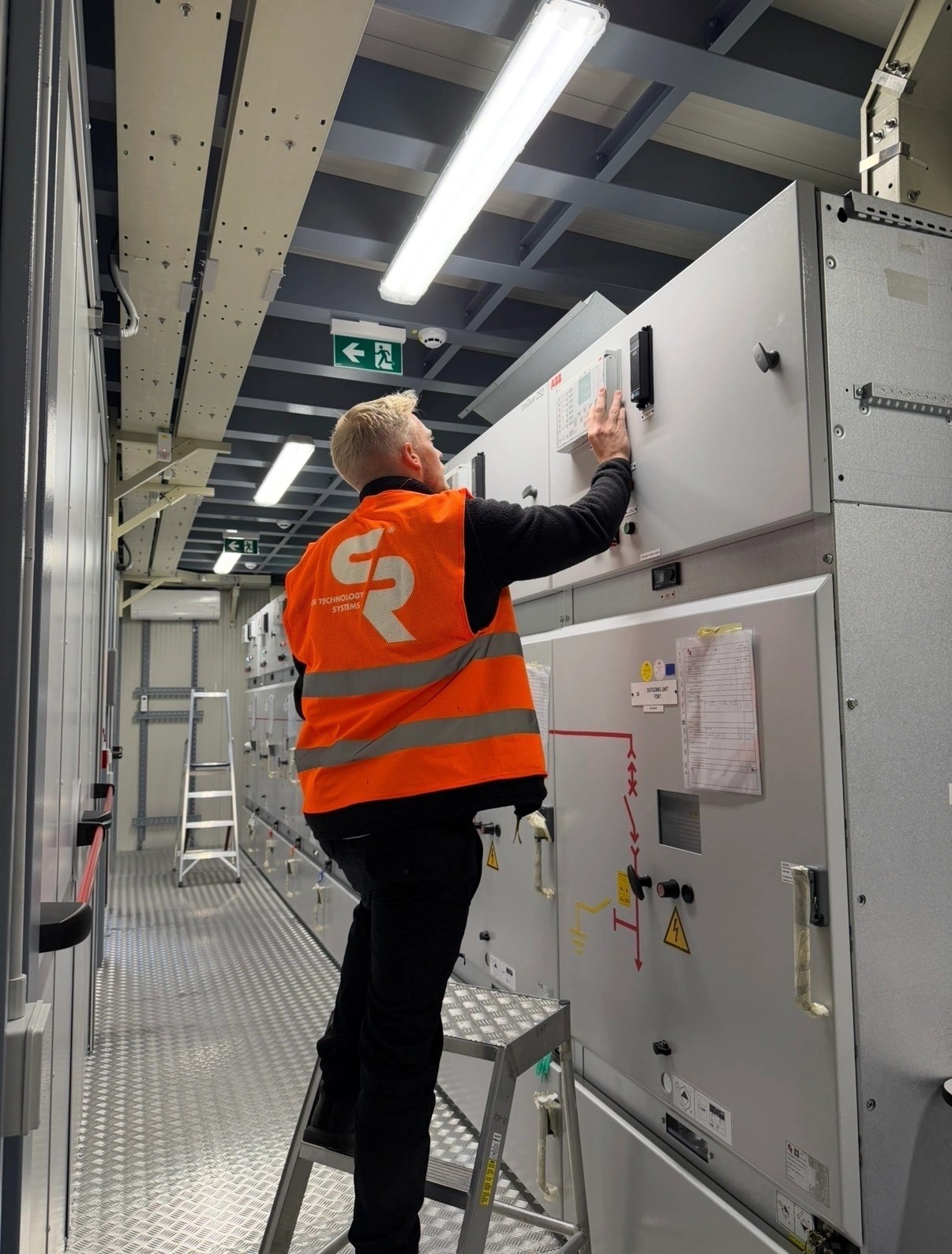
- Switchgear mechanism inspection, lubrication, timing and contact resistance
- Insulation resistance and, where appropriate, tan delta measurement
- Transformer oil sampling with dissolved gas analysis, moisture and dielectric strength
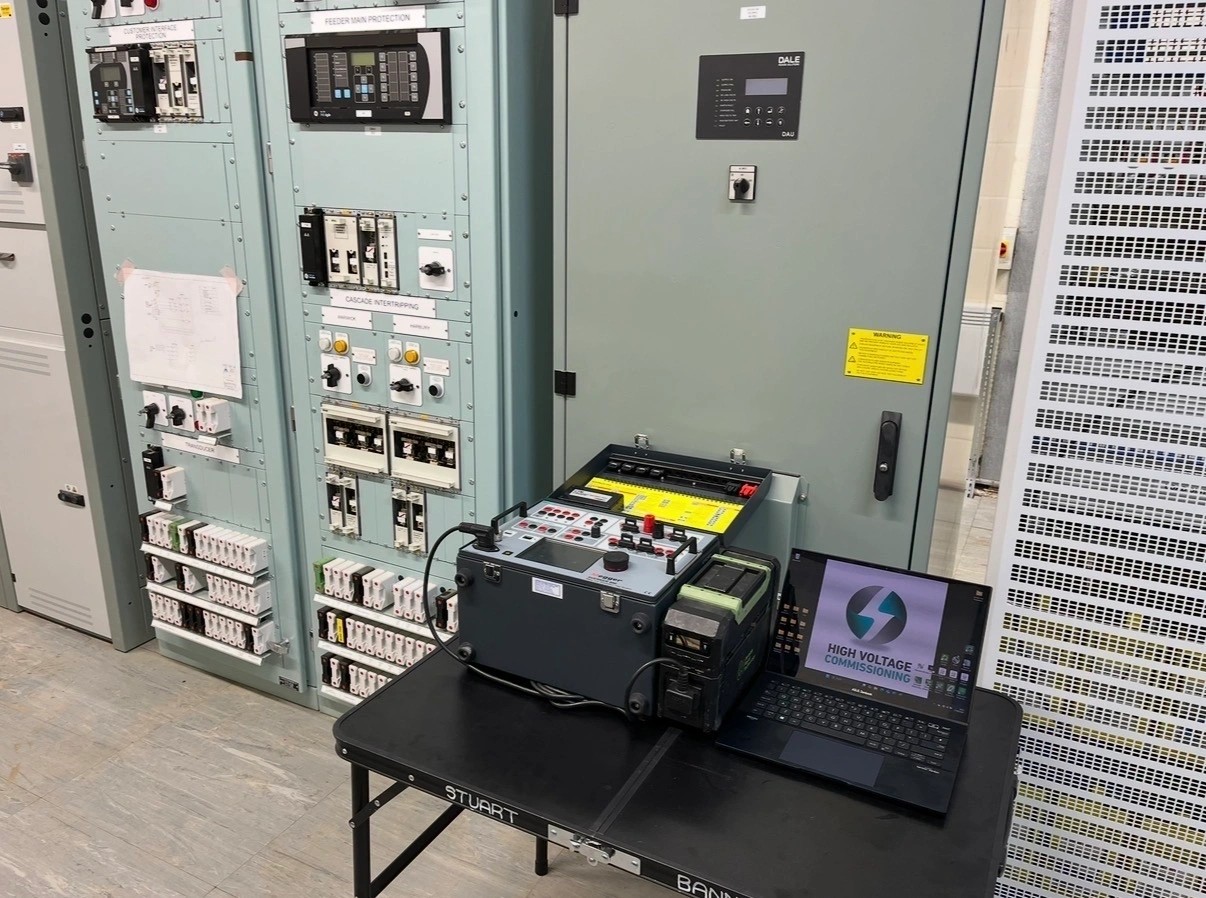
- Protection relay functional testing and settings verification against the current schedule
- Earthing and bonding continuity verification
- Battery and tripping supply capacity check — a discharged trip battery makes every protection setting academic
- Interlock and mechanical safety proving
The part everyone skips: trending
A single set of readings tells you whether the asset passed. A sequence of readings tells you whether it is degrading. Contact resistance rising 15% across three visits is actionable intelligence. The same reading in isolation looks fine. If your maintenance contractor is not returning comparable data in a comparable format each visit, you are paying for inspection and getting nothing you can plan from.
A regime that works for most private networks
| Activity | Typical interval |
|---|---|
| Thermographic survey (live) | Annual |
| Protection functional test and settings verification | 3 years, or after any settings change |
| Switchgear mechanism service | 3–5 years, duty dependent |
| Transformer oil sampling | Annual on critical, 3 years otherwise |
| Earthing verification | 5 years, or after network changes |
| Trip battery capacity test | Annual |
Adjust upward for critical assets, harsh environments and heavy duty. Adjust downward only with evidence.
The outage is the hard part
The technical work is straightforward. Getting a shutdown window on a live site is not. Plan maintenance outages twelve months ahead, group them by switching group so one outage covers multiple assets, and have the SAP write the switching programme early enough that operations can plan around it. Every maintenance regime I have seen fail, failed on outage availability rather than engineering.
— Stuart Banner
Need this done on your network?
HV commissioning, SAP provision, protection studies and maintenance across the UK.