What HV commissioning actually involves — from pre-energisation to handover
High voltage commissioning is not a switch-on. It is a documented sequence of inspections, tests and proving activities that turns installed plant into an asset an operator can safely own. Here is how that sequence runs in practice on UK networks from 11kV to 132kV.
Chief Executive Officer, High Voltage Commissioning Ltd
I have lost count of the number of programmes I have joined where "commissioning" appears as a single bar at the end of the Gantt chart. Two weeks, one line, no detail. That single bar is where the entire installation gets proved, and it is where every earlier compromise finally surfaces.
High voltage commissioning is a documented sequence that converts installed plant into an asset an operator can safely own and operate. It is not energisation. Energisation is one hold point inside it.
The five stages we work to
1. Design and documentation review. Before anyone touches the plant we read the single line diagram, the protection settings schedule, the relay configuration files, the cable schedule and the earthing design. The most expensive defects I have ever found were on paper: a CT ratio that did not match the setting file, an interlock scheme that would have allowed an earth switch to close onto a live busbar, a grading study run against a fault level the DNO had since revised.
2. Pre-energisation inspection. Physical verification against the as-built drawings. Phasing, labelling, torque marks, gas pressures, oil levels, mechanical interlock proving, earthing continuity, panel wiring against schematics. Boring, methodical, and the single highest-yield activity in the whole sequence.
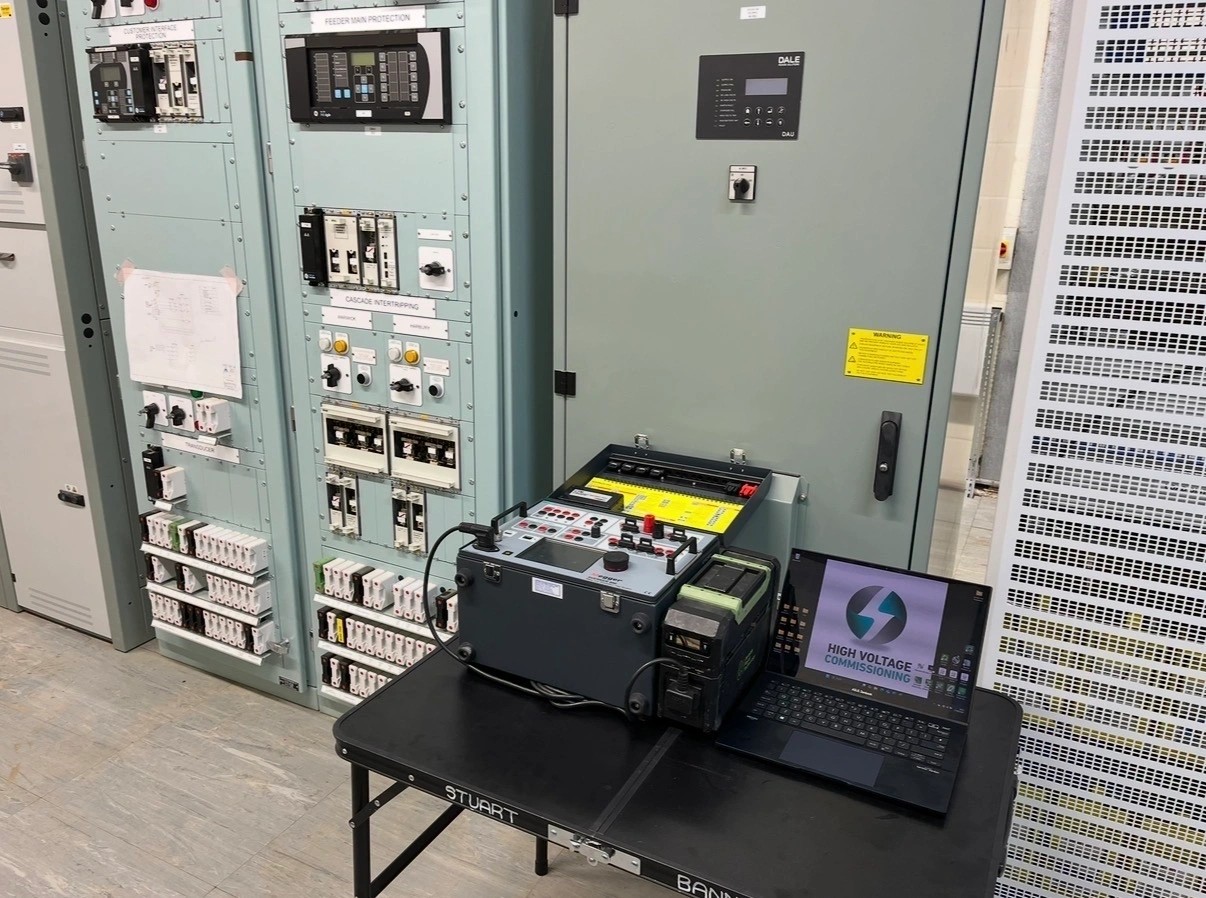
3. Primary and secondary injection testing. Primary injection proves the CT and VT circuits end to end as installed, including the polarity and the burden. Secondary injection proves the relay logic: pickup, timing, directionality, blocking, intertripping and every trip path through to the circuit breaker coil. A relay that trips correctly on a bench and does not trip the right breaker on site is a scheme failure, not a relay failure.
4. Energisation and on-load proving. Soak periods, phasing checks against the network, load current and voltage verification, differential stability checks on load, and functional proving of protection and control under real conditions.
5. Handover documentation. Test result records, as-commissioned setting schedules, defect and derogation registers, operating and switching instructions. This is the part clients undervalue at the time and depend on for the next thirty years.
Where programmes actually fail
In fifteen years I can put nearly every commissioning overrun into one of four buckets.
- Late settings. Protection settings arriving during the commissioning window rather than before it. If the setting file is not frozen and reviewed, secondary injection cannot start.
- Incomplete installation presented as complete. Panels with wiring outstanding, missing labels, no torque marks. Commissioning engineers then spend paid days doing installation snagging.
- No SAP arrangement in place. Nobody appointed to control the system, no switching programme, no permits. Plant sits energised or dead while paperwork catches up.
- Untested interfaces. Everything inside the substation works and the intertrip to the adjacent site has never been proved end to end.
None of those are technical problems. They are sequencing problems, and they are all avoidable by putting commissioning in the programme at design stage rather than at the end.
Voltage does not change the discipline
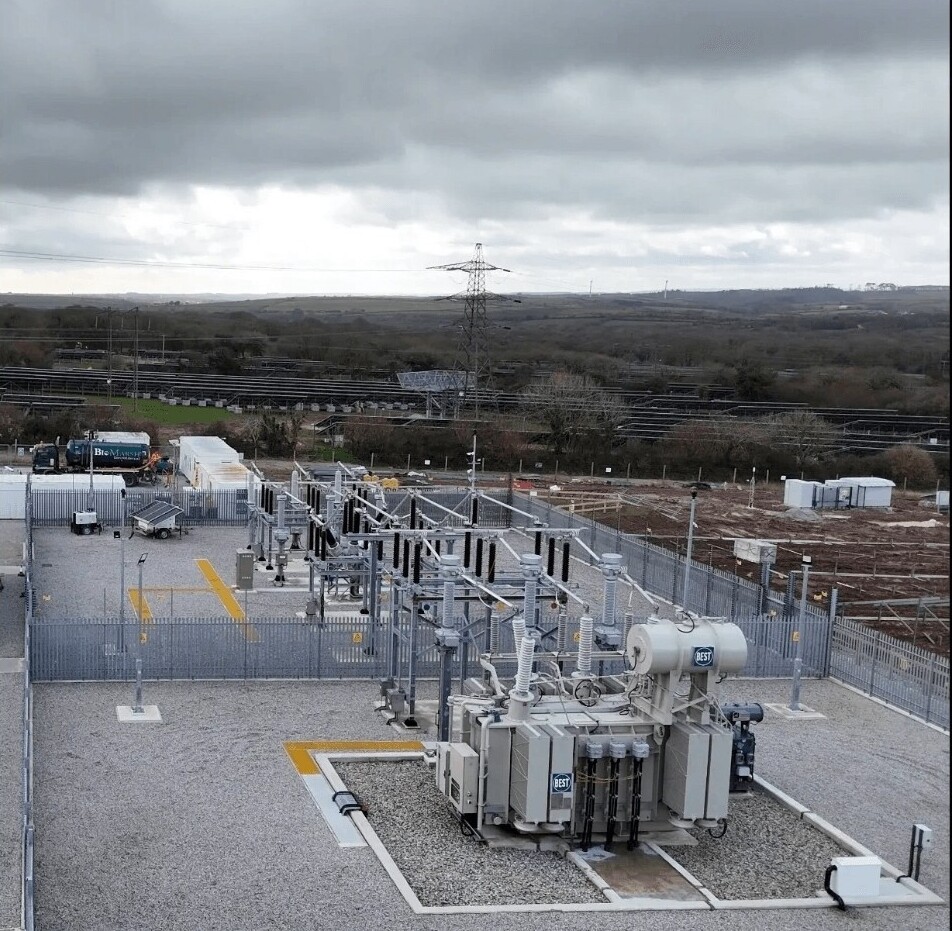
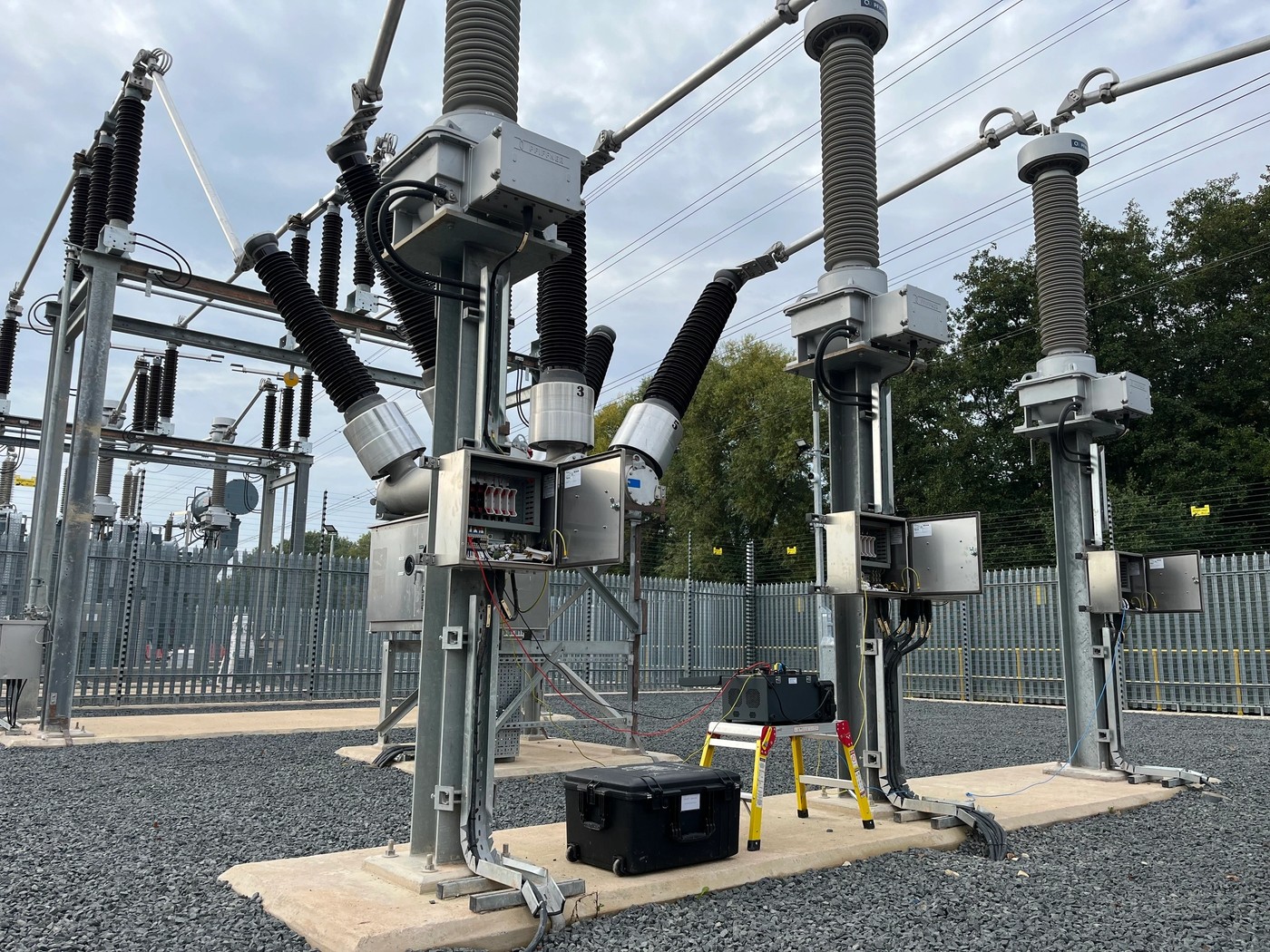
We commission from 11kV package substations and ring main units through 33kV and 66kV up to 132kV bay work. The test set changes, the safety distances change, the DNO involvement changes considerably. The discipline does not. You verify the design, you verify the installation, you prove every protection path, you energise under control, and you leave behind records that someone can audit in a decade.
What to ask a commissioning contractor
If you are procuring HV commissioning, three questions separate the serious from the hopeful:
- Who will hold the Senior Authorised Person appointment, and to whose safety rules?
- What is your test schedule per asset type, and will you issue it before mobilisation?
- What does the handover pack contain, and can I see a redacted example?
Anyone who answers those three clearly will not surprise you on site.
— Stuart Banner
Need this done on your network?
HV commissioning, SAP provision, protection studies and maintenance across the UK.